ingrijire iarna
Winter body care: the most effective hydrating ingredients
Our skin has different needs throughout the year, especially due to external factors such as temperature and humidity. Skincare must take this into account — a routine adapted to the season helps maintain soft skin while preventing...
Our skin has different needs throughout the year, especially due to external factors such as temperature and humidity. Skincare must take this into account — a routine adapted to the season helps maintain soft skin while preventing irritation, severe dryness, and discomfort.
For example, during winter, low temperatures, wind, the constant transition between cold and warm environments, and dry indoor air visibly affect the skin’s hydration level. The skin becomes more sensitive, dull, and prone to flaking. Therefore, the care routine cannot remain the same as in the rest of the year. Discover which ingredients and products should not be missing from your body care routine during the cold season.
What challenges the skin faces in winter
Winter is the season when skin shows its vulnerabilities fastest. The cold outdoors and dry indoor air impact natural hydration, making the skin’s protective barrier more fragile. Each time you move from cold air to warm dry indoor air, the skin loses moisture more quickly. The result? It becomes dry, flaky, dull, less elastic, or easily irritated. Sensitive skin reacts even more intensely.
Low humidity thins the hydrolipidic layer — the skin’s natural shield. When it doesn’t function optimally, the skin retains moisture less efficiently and becomes more exposed to redness, itching, and micro-cracks. Strong wind also acts like an aggressive exfoliant, removing surface cells and increasing roughness.
Long term, the skin loses radiance and suppleness. The good news is that these effects are not inevitable. With the right ingredients and season-adapted textures, your skin can stay hydrated and smooth even in mid-winter.
Ingredients that support skin hydration during cold weather
In winter, the skin needs rich formulas capable of retaining moisture and repairing the protective barrier affected by cold and wind. While light textures work well in summer, winter requires ingredients that not only hydrate, but also repair, protect, and improve elasticity. These components form a fine, protective film that prevents water loss and keeps skin supple throughout the day. Here are the ingredients that make a difference in the cold months:
- Squalane – mimics the skin’s natural lipids, offering deep hydration and restoring the protective barrier without heaviness.
- Peptides – support elasticity, help rebuild the skin’s structure, and increase resistance to external factors.
- Shea butter – intensely nourishing, rich in fatty acids and vitamins, soothes, nourishes, and protects against severe dryness.
- Crambe oil – a light, luxurious oil that softens the skin and maintains long-term hydration.
- Vitamin C – a powerful antioxidant that brightens the skin, evens tone, and protects against free radicals.
- Plant oils (avocado, jojoba) – emollient, repairing, deeply nourishing, leaving the skin supple.
- Aloe vera – soothes, reduces redness, and delivers immediate hydration — ideal for cold-irritated skin.
- Glycerin – draws moisture into the skin and helps retain it, supporting consistent hydration even in dry air.
When used together, the right ingredients keep skin hydrated, protected, and healthy — even on cold winter days. SOPE products include the ingredients above, whether in shower gels, body & hand lotions, liquid soap, or body oil, helping you build an effective routine that feels good on the skin.
Winter body care routine
Every step of a body care routine plays an essential role in maintaining comfort, elasticity, and hydration. When you combine the right products with consistency, your skin stays soft, radiant, and more resistant to cold, wind, and dryness:
Step one: cleansing
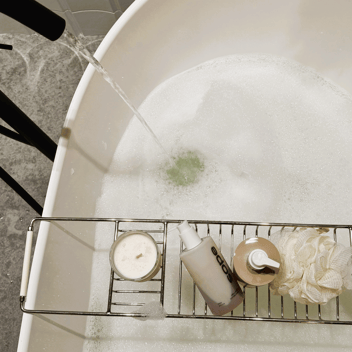
Cleansing must be gentle without disrupting the natural skin barrier. In winter, start your ritual with a hydrating liquid soap. For shower or bath, use a moisturizing shower gel or silky shower oil. Proper cleansing removes impurities and leaves skin soft, creating the perfect base for the next steps and improving absorption of active ingredients.
Step two: exfoliation
Gentle exfoliation is essential for smooth, glowing skin. A fine scrub removes dead cells and allows hydrating products to penetrate more effectively. A mild, well-formulated exfoliant leaves the skin refreshed and ready for hydration. During cold months, use it once a week.
Step three: hydration
Hydration should be at the core of every routine. A hand and body lotion with emollient, moisturizing ingredients restores balance, calms dry areas, and protects the barrier. This step provides everything the skin needs to stay soft and smooth no matter how low the temperatures drop.
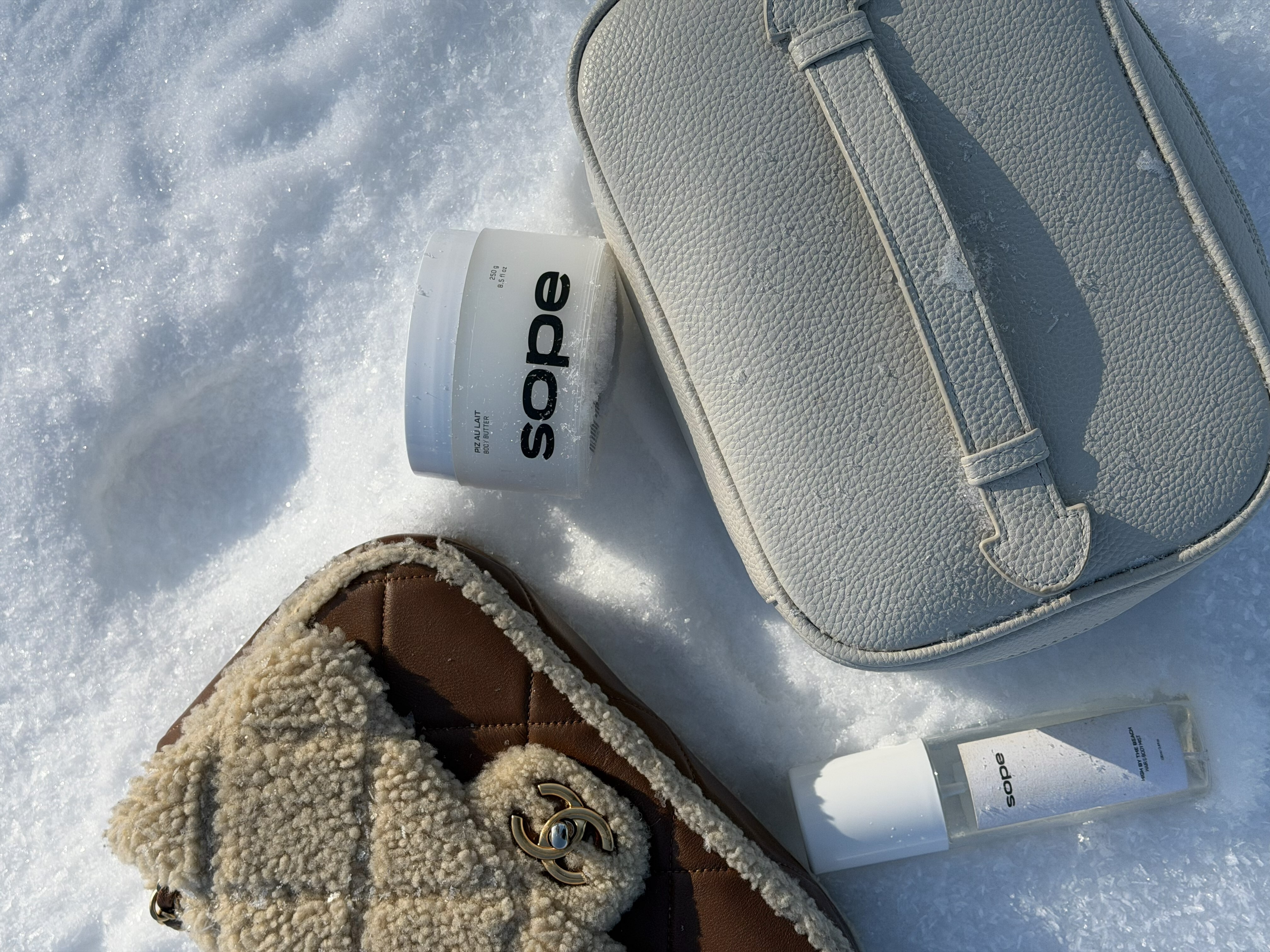
The three-step routine works best when products contain clean, effective ingredients. SOPE’s body care collection is crafted with science-backed ingredients and innovative techniques for real results at an accessible price. Each SOPE product is also available in unique, carefully selected fragrances so you can choose what suits your style and turn skincare into the most pleasant moment of your day.
Your skin deserves to look and feel great in every season. Give it the right products and results will follow. And remember — when you care for yourself and feel good in your own skin, life becomes more beautiful. Explore the SOPE body care range and discover a new pampering ritual you’ll enjoy every day.
Frequently Asked Questions – Winter body care
Why does skin dry faster in the cold season?
Low temperatures, wind, and constant switching between cold and warm environments cause the skin to lose moisture more quickly. The natural barrier weakens and skin becomes rough, sensitive, and prone to flaking.
How often should skin be exfoliated in winter?
Once a week is enough for gentle exfoliation to remove dead cells and allow hydrating products to work effectively without irritation.
Which ingredients are effective for winter hydration?
Key ingredients include squalane, shea butter, plant oils (avocado, jojoba), peptides, aloe vera, vitamin C, and glycerin — all helping to maintain hydration and repair the skin barrier.
Is shower oil necessary?
Yes — in winter a shower oil can be more suitable than a regular gel. It cleanses gently and leaves a protective layer that prevents immediate dryness after bathing.
Is a regular body lotion enough in winter?
It depends on skin type, but richer, emollient formulas work better during winter as they provide deep hydration and protect against dryness.